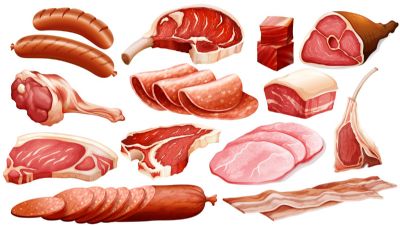
The use of cultures for meat and meat products is an important process for increasing food safety, taste and nutritional value. Here are some points to consider in this regard:
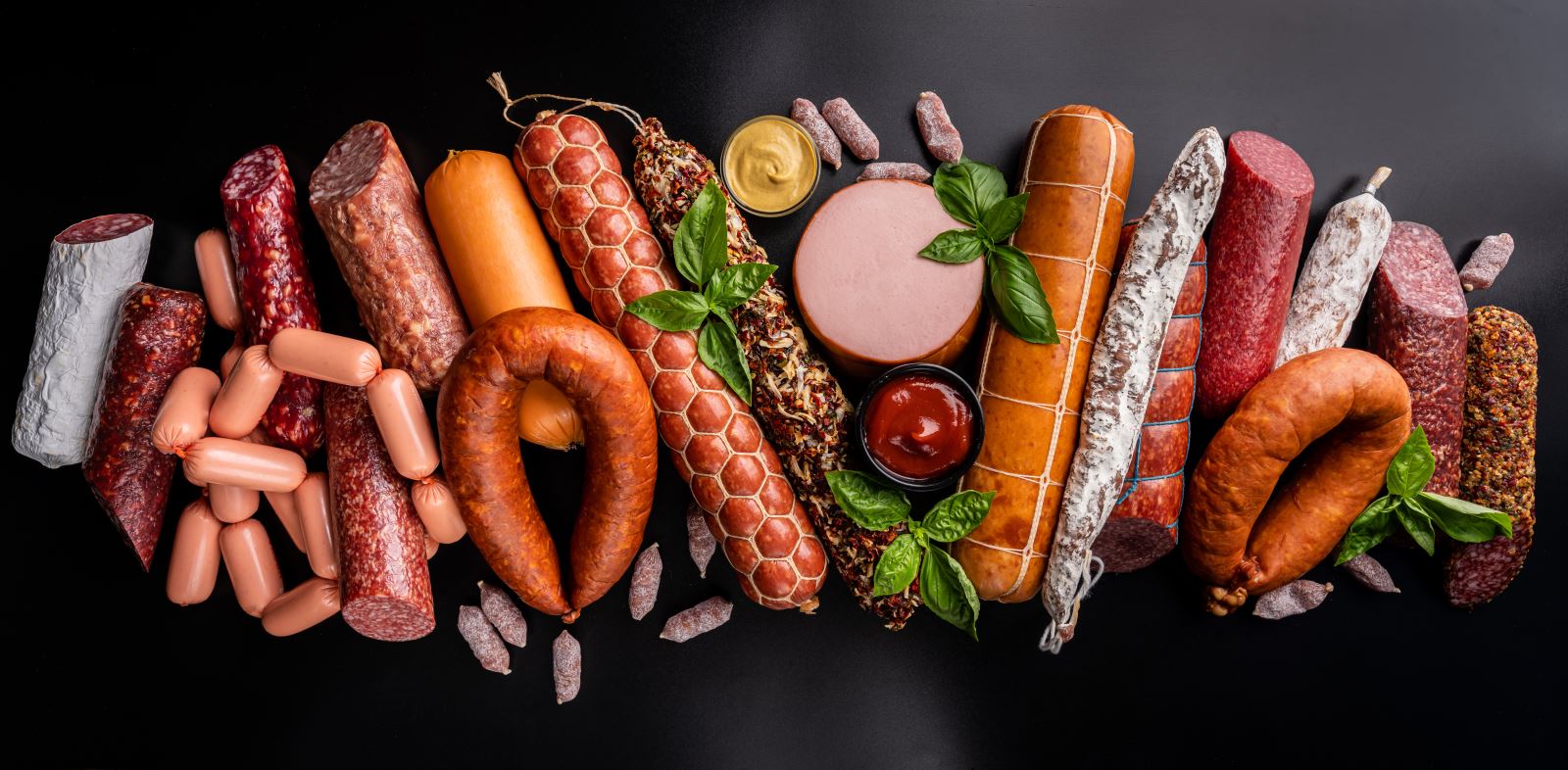 Choosing Cultures: The selection of cultures to be used in meat products varies according to the type of product and the targeted flavor profile. For example, lactic acid bacteria are widely used in fermented meat products such as sucuk, fuet, chorizo fermented sausage and fermented salami group. On the other hand, the use of cultures for ripening and organic preservation purposes is safe in products such as ham, dry meat, Iberian ham.
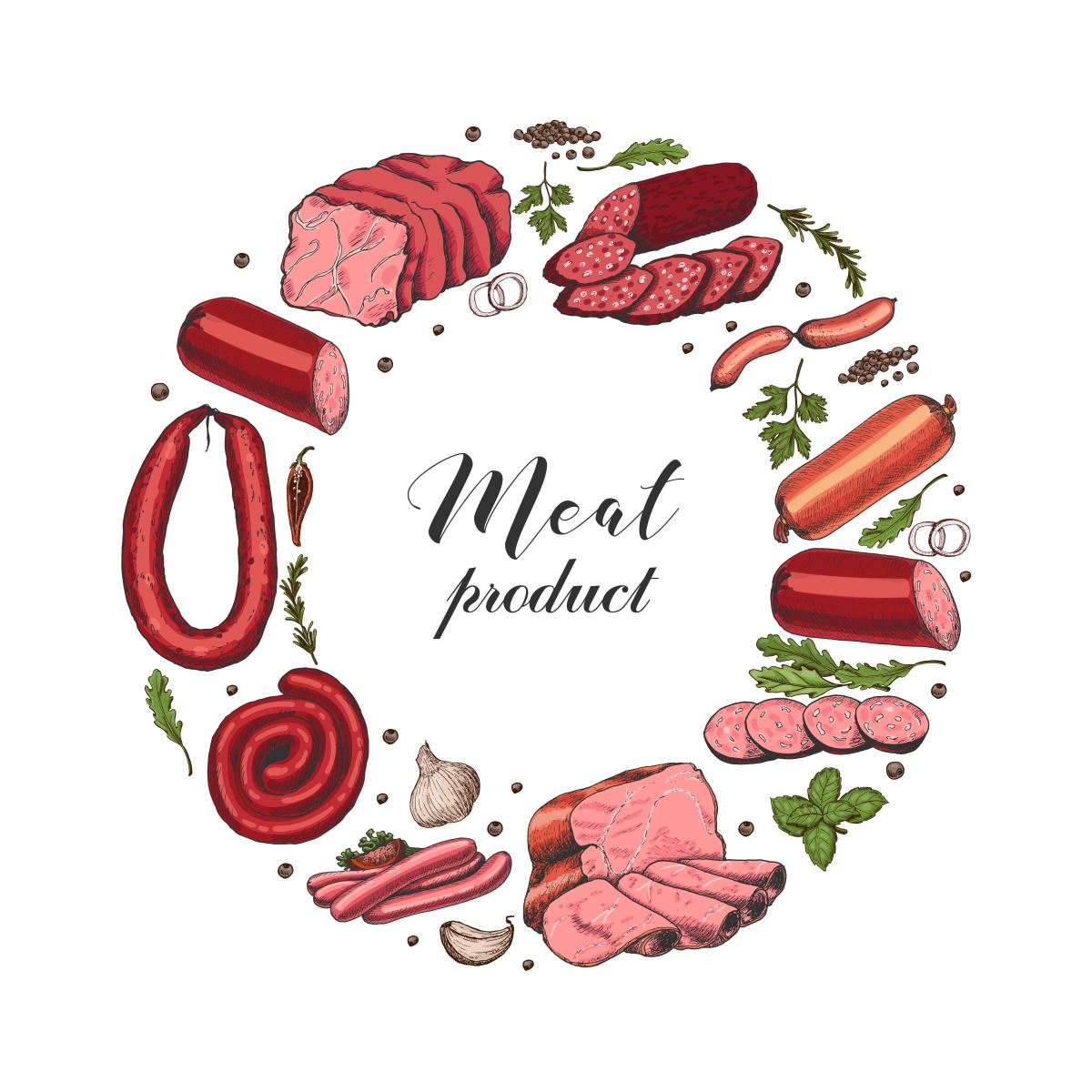
Fermentation Process: The combination of cultures with meat and the fermentation process improve the taste, aroma and texture of the product. Factors such as temperature, humidity and time should be carefully controlled during this process.
Food Safety: The use of cultures helps control pathogens. Using the right cultures extends the shelf life of products and increases food safety.
Nutritional Value: Fermentation can increase the nutritional value of meat products. For example, some cultures can produce enzymes that facilitate protein digestion in meat.
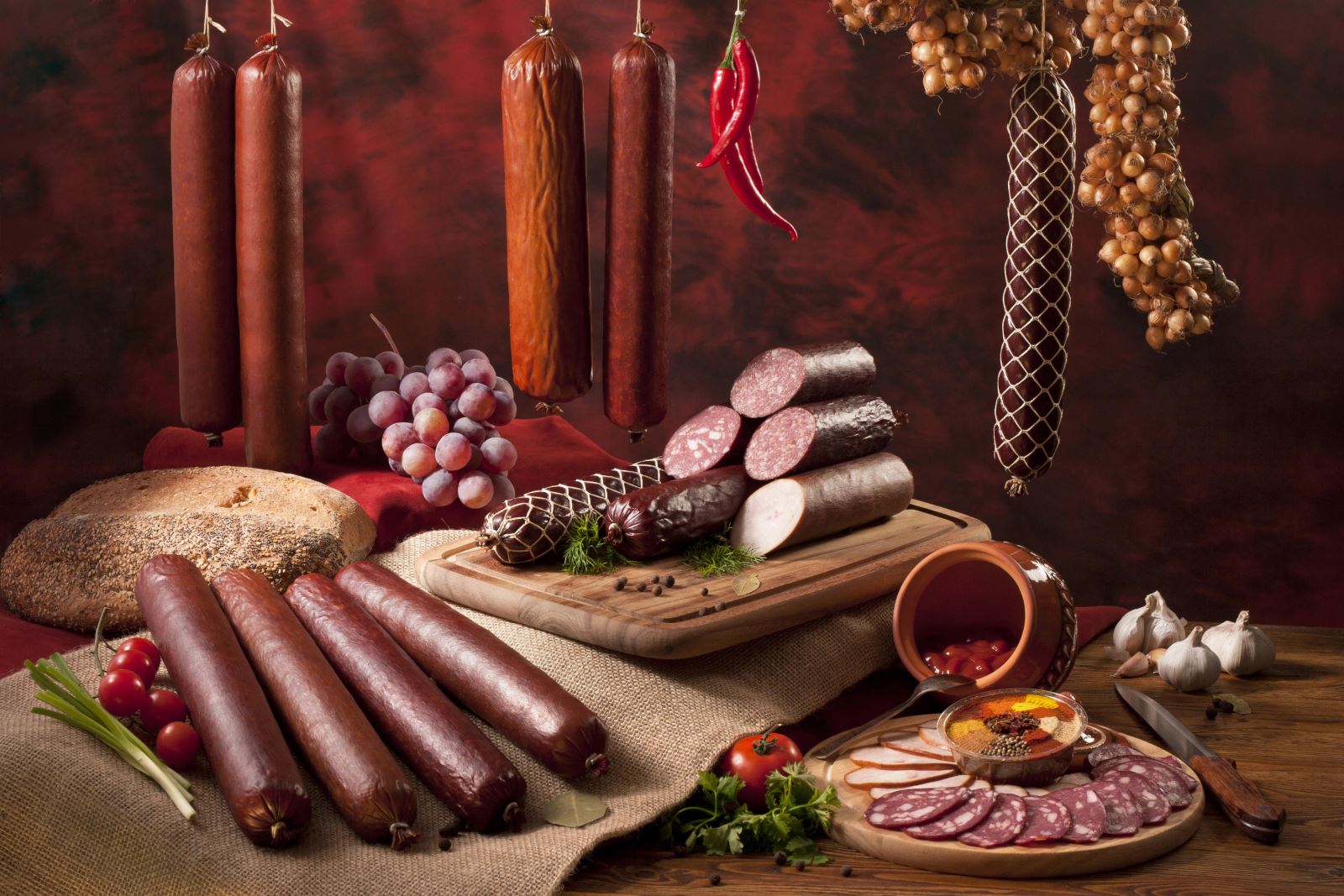 Consumer Preferences: Today, consumers are turning to natural and healthy products. The use of culture is an important tool to meet these demands.
These points constitute the basic elements of the use of culture for meat and meat products. Each stage is critical to improving product quality and safety.
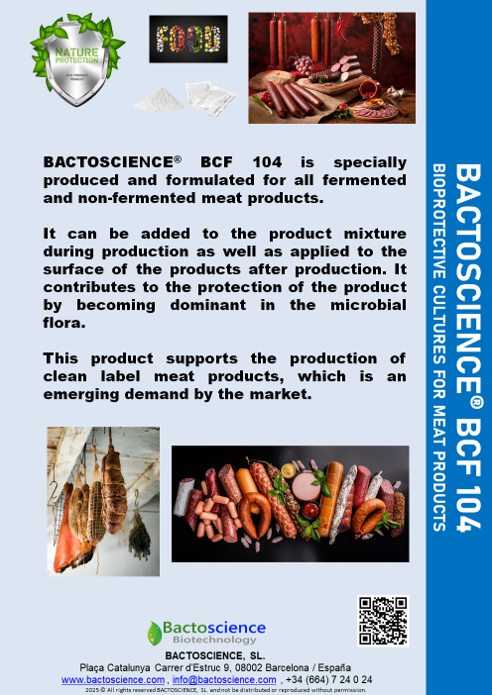
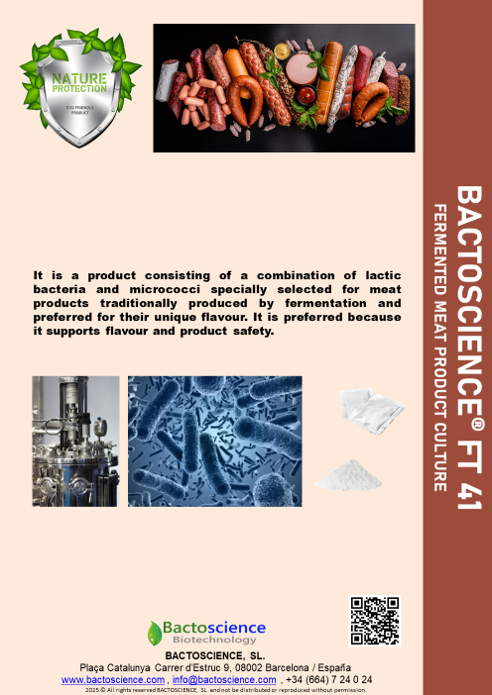
FT 41 FERMENTED MEAT PRODUCT CULTURES
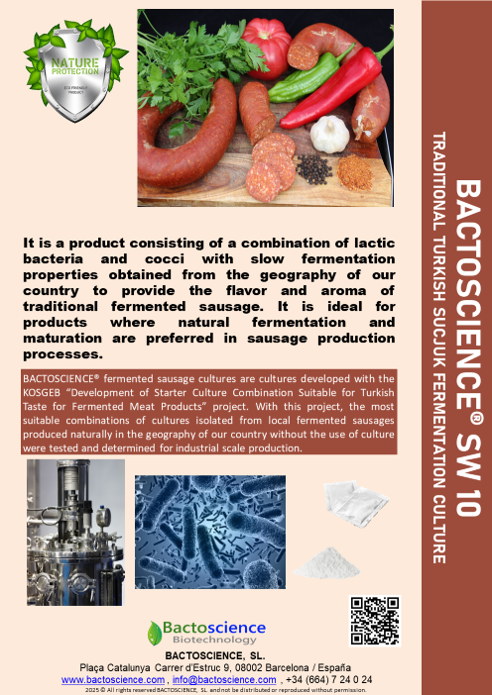
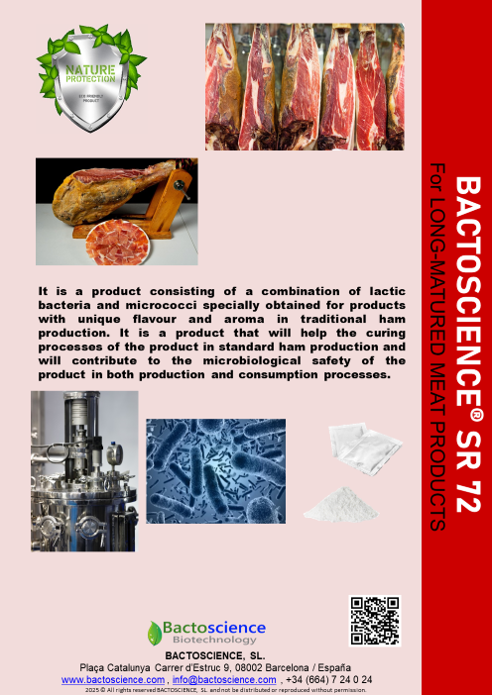
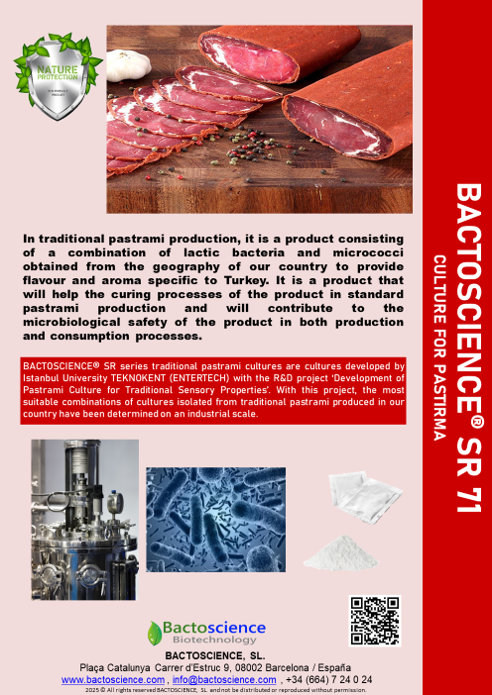
SR 72 CULTURES FOR LONG-MATURED MEAT PRODUCTS
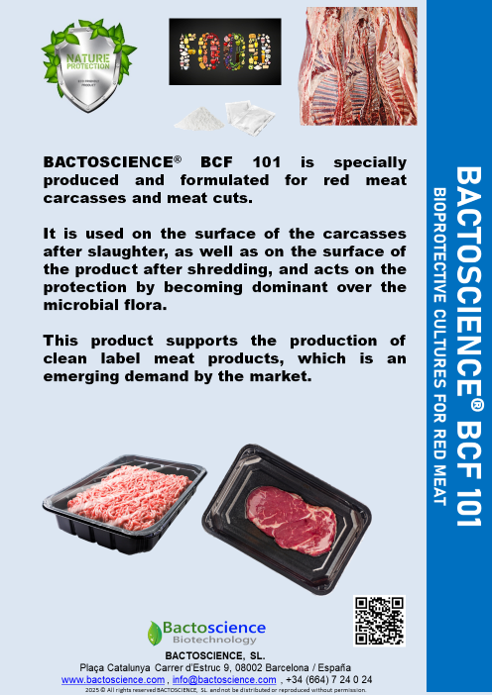
BCF 101 BIOPROTECTIVE CULTURES FOR RED MEAT