
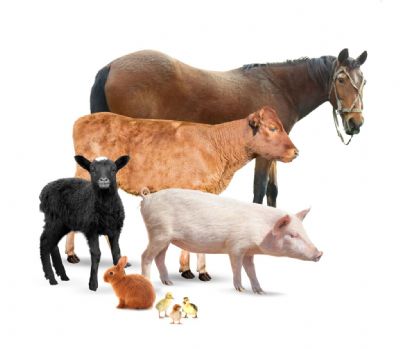
Bacteria play a significant role in animal nutrition. Bacteria play an important role in the digestive system of animals and have many beneficial functions. Here are some main points on this subject:
Digestive Process: Bacteria help digest complex carbohydrates such as cellulose, especially in the stomach of ruminant animals (such as cattle and sheep). This allows animals to obtain energy from plant sources.
Nutrient Absorption: Bacteria in the digestive system increase the absorption of nutrients. For example, some bacteria contribute to the synthesis of vitamins (such as vitamins B and K).
Immune System: A healthy intestinal flora strengthens the immune system of animals. Bacteria protect against infections by preventing the growth of pathogenic microorganisms.
Metabolism: Bacteria regulate the metabolism of animals. For example, they play a role in the production of fatty acids and energy metabolism.
Balanced Nutrition: The presence of appropriate bacterial species in the diet of animals improves their general health and increases nutritional efficiency.
Probiotic Use: In recent years, the use of probiotics (beneficial bacteria) in animal nutrition has become widespread. This supports the digestive health of animals and improves their performance.
In conclusion, bacteria play a critical role in animal nutrition and a healthy intestinal flora is essential for the overall health and productivity of animals.